
of Ethiopian smallholder coffee farmers lived below $3.10 per person per day in Enveritas and HereWeGrow’s 2021–22 research.
Enveritas coffee map ↗Why I started asking questions
Coffee can be expensive. Growing it shouldn’t leave a family poor.
I'm Hridhaan, and I’m 15. I used to think a pricey cup meant everyone behind it was doing okay. Then I looked at the numbers. I couldn’t stop thinking about the people who grow the beans.
Show me the numbers ↓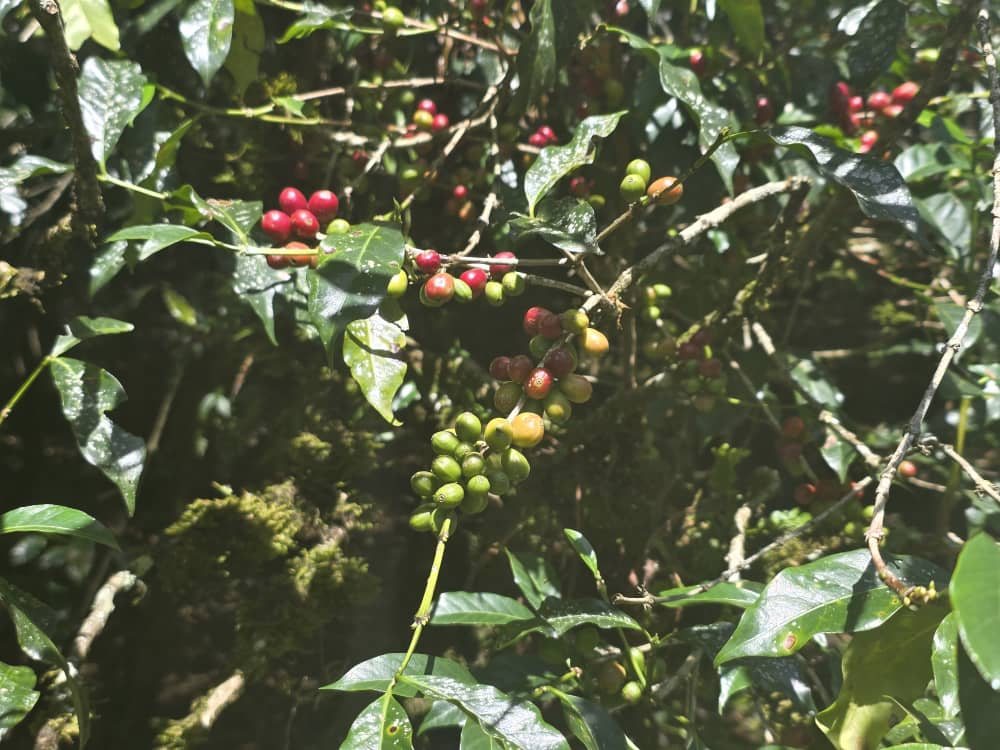
This is bigger than one bag of coffee.
Starbucks’ net earnings in its 2025 financial year. Its revenue was $37.2bn.
Starbucks FY2025 results ↗of Ethiopian children at late primary age were unable to read and understand a simple text, by the World Bank’s 2021 measure.
World Bank brief ↗These figures come from different years and populations. They do not show what Starbucks pays Ethiopian farmers or prove that one company caused this poverty. They do show why I want better questions asked of every coffee business, including ours.
Coffee is a big business. How much reaches growers?
These numbers come from the organisations that publish them. Tap any graph to check its source. They measure different things, so they are shown separately.
Global coffee · 2024 · US dollars$34bn+
Value of coffee traded across borders, according to FAO. Its estimated production value was $25bn.
Open FAO data ↗ Nestlé coffee · 2025 · Swiss francsCHF 24.6bnAnnual coffee sales reported by Nestlé. This is sales, not profit or the amount paid to farmers.
Open Nestlé figures ↗ Keurig Dr Pepper U.S. coffee · 2025 · US dollars$3.99bnU.S. coffee segment sales. KDP reported $962m in operating income for that segment.
Open KDP results ↗
The global coffee tradeFAO · 2024 · USD billionsProduction value$25bnTrade value$34bn+See FAO’s definitions ↗
Coffee inside Nestlé2025 · CHF billions · salesCoffee24.6All categories89.5See Nestlé’s figures ↗
U.S. coffee inside KDP2025 · USD billions · salesU.S. coffee3.99All segments16.60See KDP’s figures ↗
FAO’s trade value includes cross-border transactions, and its production value is a separate estimate. Nestlé’s coffee figure is in CHF and covers its coffee business; KDP’s figure is in USD and covers its U.S. coffee segment. These are not one combined market total. None of them tells us a specific farmer’s income or what either company paid for Ethiopian coffee. That missing link is exactly what students can help us investigate.
Help us check a coffee claim ↗The gap we should look at
I can see the price of my cup. Can I see the farmer’s price?
A Starbucks latte listed for €3.40 on its Lisbon Glovo menu when I checked. One every school day for 40 weeks would cost €680. That’s a simple spending example, not what most parents actually buy.
Fairtrade’s 2023 study estimated that a seven-person Ethiopian coffee-farming household needed about US$4,466 a year for a decent living. That is a living-income benchmark, not the amount a typical family earned. I could not find a sound, current figure for what a typical Ethiopian coffee family actually takes home in a year, so I won’t invent one.
2021–22 farmgate price for garden coffee40–55 birr/kg
Fairtrade’s living-income reference price at the time74 birr/kg
Those are historical cherry prices from Fairtrade’s 2023 study, not today’s market price. Its model has since been updated. Paying a reference price alone cannot guarantee a living income; farm size, yields, costs and other buyers matter too.
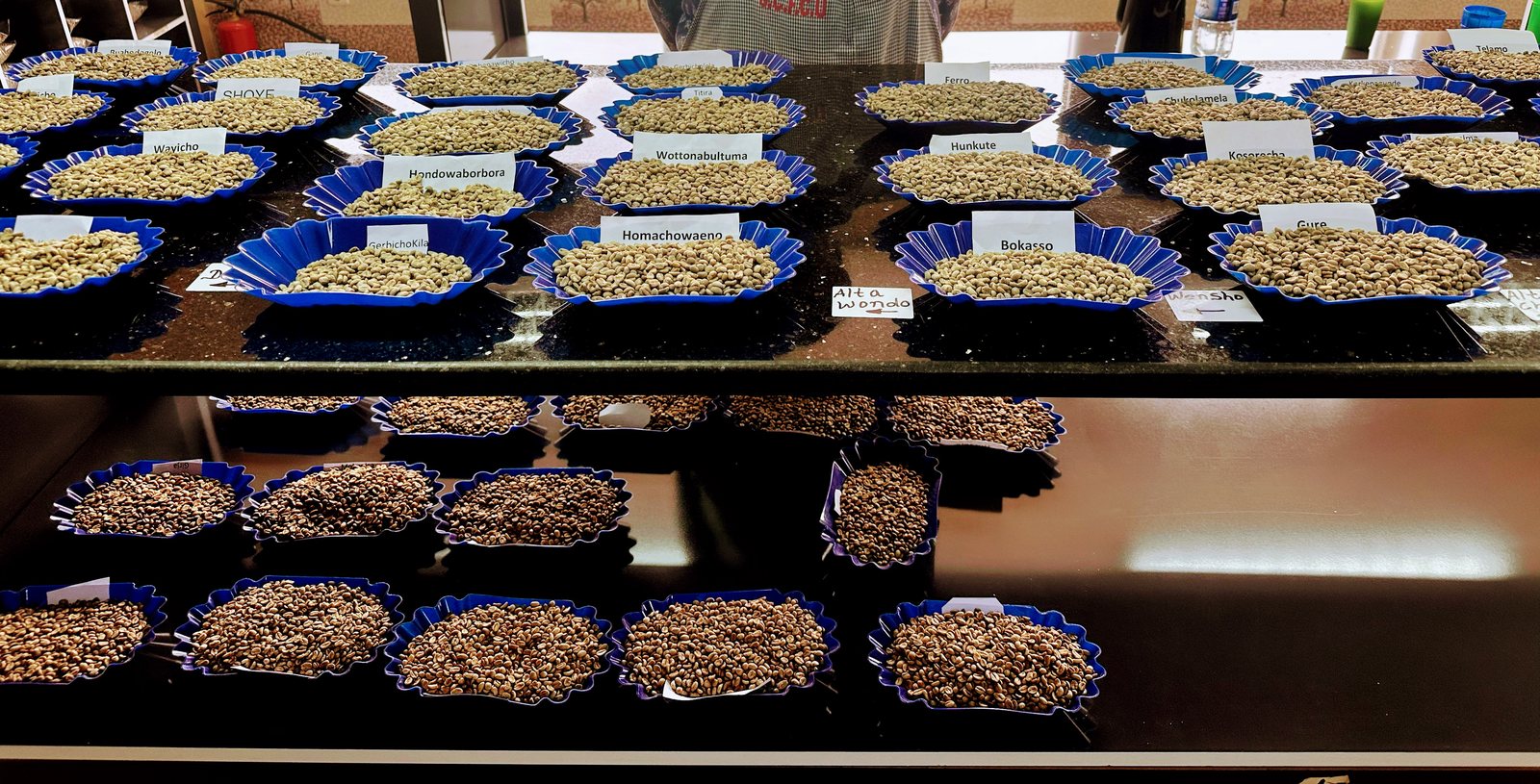
Children feel the cost.
Less income can mean harder choices about food, school costs and time. The World Bank found that fewer than one in five children in Ethiopia’s very poor households completed primary school in its 2020 poverty assessment. Being in a classroom is only the start; children also need to learn there.
Cocoa shows a warning from a different crop and different countries: a study funded by the US Department of Labor estimated 1.56 million children in child labour in cocoa production in Ghana and Côte d’Ivoire in 2018–19. That is not a statistic about Ethiopian coffee. I include it because low farm income and weak child protection can have consequences that reach children.
What could change
A fairer price. A real chance to learn.
A World Bank study of Ethiopia found that each additional year of schooling was associated with 8% higher earnings. That is an average association, not a promise for any child. Good schools matter, and so does the income that lets families keep children there.
That’s why I want Grounds4Schools to do two things together: check what reaches growers and show exactly what reaches a school. We haven’t proved we can do either yet. I’m asking parents, roasters and producers to help me test it properly.
World Bank Ethiopia education and earnings report ↗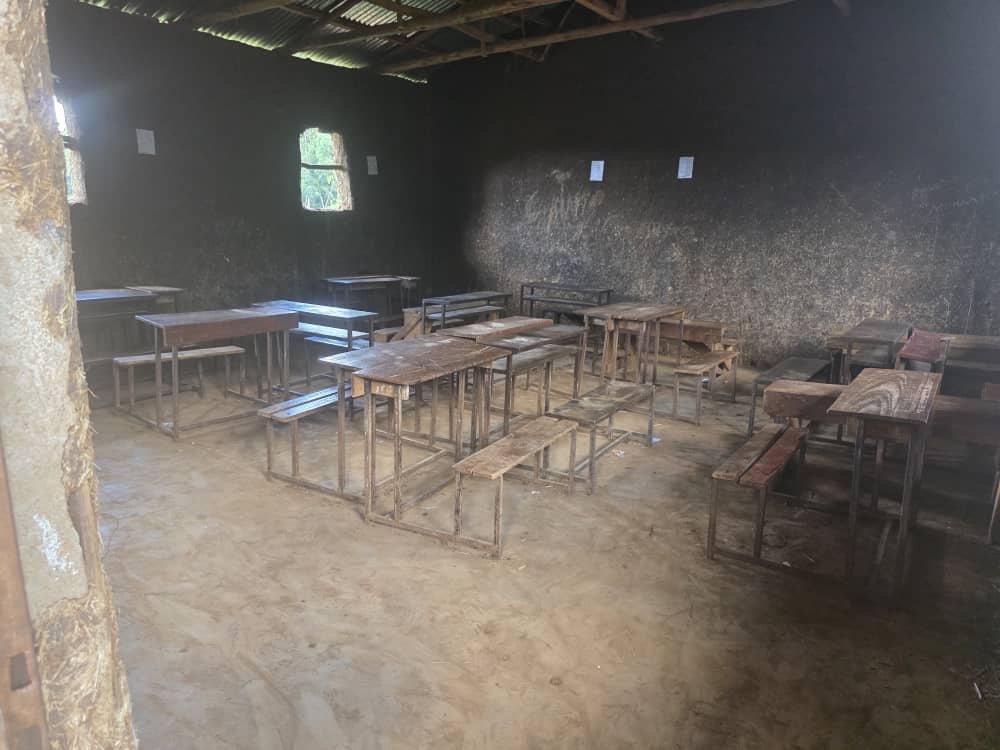
Evidence checked 30 October 2026. Historical estimates are labelled by year; prices can change. Grounds4Schools has no confirmed coffee supplier or school partner.